
Have you personally felt a nagging sensation of pain in your lower back when you get up from your chair? Well, guess what? This phenomenon is quite common. In a modern society that encourages people to work from home and use computers, poor sitting posture has become a significant contributor to back-related problems. While medications and massage sessions provide temporary relief from the problem, they do not address the underlying problem.
A well-designed ergonomic chair for back pain relief does more than just provide comfort – it also supports your spine, improves posture, and reduces long-term discomfort. This guide will help you understand how to choose, use, and benefit from the perfect ergonomic chair.
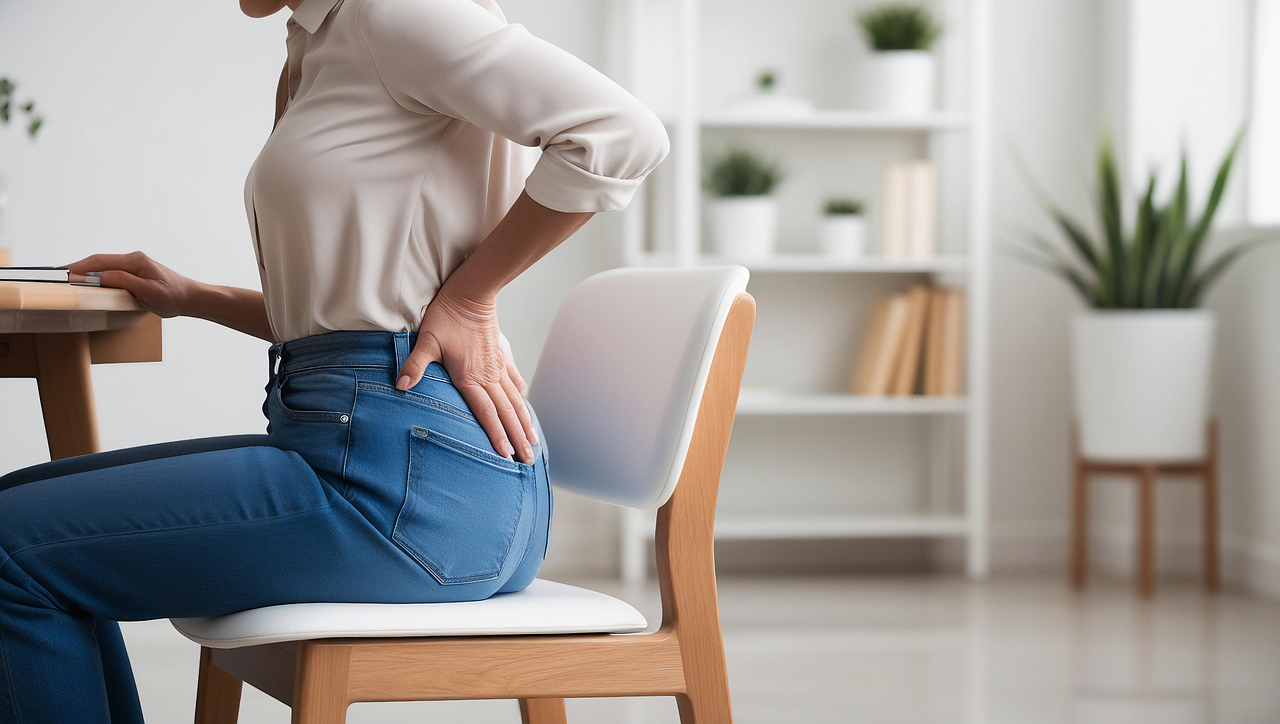
Why Sitting Causes Back Pain
While most of us believe that back pain is caused by fluctuations or aging, it is actually true that spending long periods of time in an uncomfortable chair puts extra strain on your back. These include:
- Reduced natural S-curve in the lower spine
- Suffering from discs sandwiched between vertebrae
- Reduced blood flow to muscles
- Muscles become stiff and tired.
In addition, it can contribute to long-term problems such as sciatica, lumbar disc compression, and poor posture.
What is an ergonomic chair for back pain relief?
Not all ergonomic chairs are the same. A chair designed for back pain relief primarily aims to provide therapeutic support, rather than focusing solely on design and adjustability. Reasons include:
- Good lumbar support that conforms to the shape of your spine
- Adjustable material to suit your sitting position
- Even weight distribution to reduce stress on the spine
- Promoting active sitting instead of slouching.
In short, it’s not just comfort – it’s spine care in a chair.
The Science Behind Pain Relief
Your spine has an S-curve that helps reduce pressure as your body weight decreases. The reduced S-curve contributes to pain. Ergonomic chairs work to restore this in the following ways:
- Lumbar support: Helps preserve the natural inward curve of the lower spine, reducing pressure on the back and promoting a healthier sitting posture
- Reclining and pelvic support: A 100-110° reclining angle reduces pressure on spinal discs.
- Seat depth and cushioning: Promotes even weight distribution, which prevents back pain.
Properly designed chairs prevent pressure and improve blood circulation. Therefore, prolonged sitting becomes less harmful.
Important Considerations When Choosing an Accountant
When shopping for a chair to relieve back pain, keep these things in mind:
Features | Why It’s Important |
Adjustable lumbar support | Keeps your back aligned with your spine |
Reclining and tilting mechanism | Allows for natural movement and reduces stress |
Adjustable seat depth | Relieves tailbone pain and stabilizes legs |
S-shaped backrest | Supports your spine and improves posture |
Armrests | Keep shoulders relaxed and reduce upper back pressure |
Optional headrest | Provides support for the cervical spine and neck muscles |
Recommended ergonomic chairs for back pain relief
Budget ($200 or less)
- Hbada Office Chair: For mild back pain. Has adjustable lumbar support and mesh.
- Furmax High Back Office Chair: Padded lumbar cushion with headrest. Affordable, perfect for home offices.
Mid-Range ($200–$500)
- Nouhaus Ergo3D: Dynamic lumbar support system. 3D armrest design. 135° recline. Reduces disc compression. Encourages
Premium ($500+)
- Herman Miller Aaron: PostureFit SL, mesh with breathable mesh, for medical-grade relief for those suffering from chronic back pain.
How to Adjust an Ergonomic Chair
Ergonomic Adjustment
Even the best chair won’t help if it’s not set up properly:
- Seat height: Feet on the floor, legs at 90° from the floor
- Lumbar support: Adjust to the natural curve of your lower back
- Backrest: Recline 100-110° for optimal support
- Armrests: Shoulders relaxed. Elbows in line with the body.
- Make sure to take short breaks every 30-45 minutes.
Daily Routine Sitting – Prevention
- Micro-breaks: Stand or walk around every 30-45 minutes.
- Actively sitting: Change your position slightly to avoid slouching.
- Strengthen your core muscles: Exercise and stretching can help keep your spine aligned.
- Desk setup: Monitor and keyboard height should complement your chair’s adjustment
Common mistakes to avoid
- Buying a chair solely for aesthetics
- Ignoring lumbar support
- Failure to adjust your chair before use
- Chronic physical inactivity while sitting
Correcting these mistakes will actually reduce your chair’s pain rather than causing it.
Real-life success stories
Hasan, a freelance designer, experienced constant pain in his lower back from sitting for long periods of time. When he switched to an ergonomic chair and adjusted to it, he noticed that his pain had reduced by 60% within two weeks. He emphasizes that it involves not only the chair, but also good sitting posture.
FAQs
Question: Mesh or Padded Seats – Which is Better?
Answer: Mesh helps with ventilation. Padding can help with extra support. Use your best guess.
Question: Can an ergonomic chair relieve chronic back pain?
Answer: It helps reduce pain and prevent it from getting worse, but severe cases may require medical advice.
Question: How long should I sit?
Answer: Every 30 to 45 minutes, take micro-breaks and avoid static postures.
Conclusion
Back pain is not only painful but also affects your life. Choosing an ergonomic chair for back pain relief will be an investment. Combining it with a healthy sitting posture and light exercise will definitely work wonders. Therefore, don’t wait until it turns into chronic pain. Use an ergonomic chair for back pain relief and enjoy a pain-free working life.