
LED Desk Lamp vs Traditional Lamp: Which One Is Better for Study and Work?
Not being able to discuss our discussions or work remotely plays a big role. Without proper communication, it becomes stressful, it becomes difficult to keep up, and even simple suggestions get lost. But when the lighting is just right — not too bright, not too dim — then partying, even working, can be much more comfortable.
But one question comes to almost everyone’s mind — which is actually better? LED lamps or other types of lamps?
In fact, which one is better for you depends on your needs and the type of work you do. For some, LED lamps work great, while some are more comfortable with old-fashioned daylight. Which one you choose depends on how you study or work. I’m just explaining this so that you can understand for yourself which one is best suited for your space.
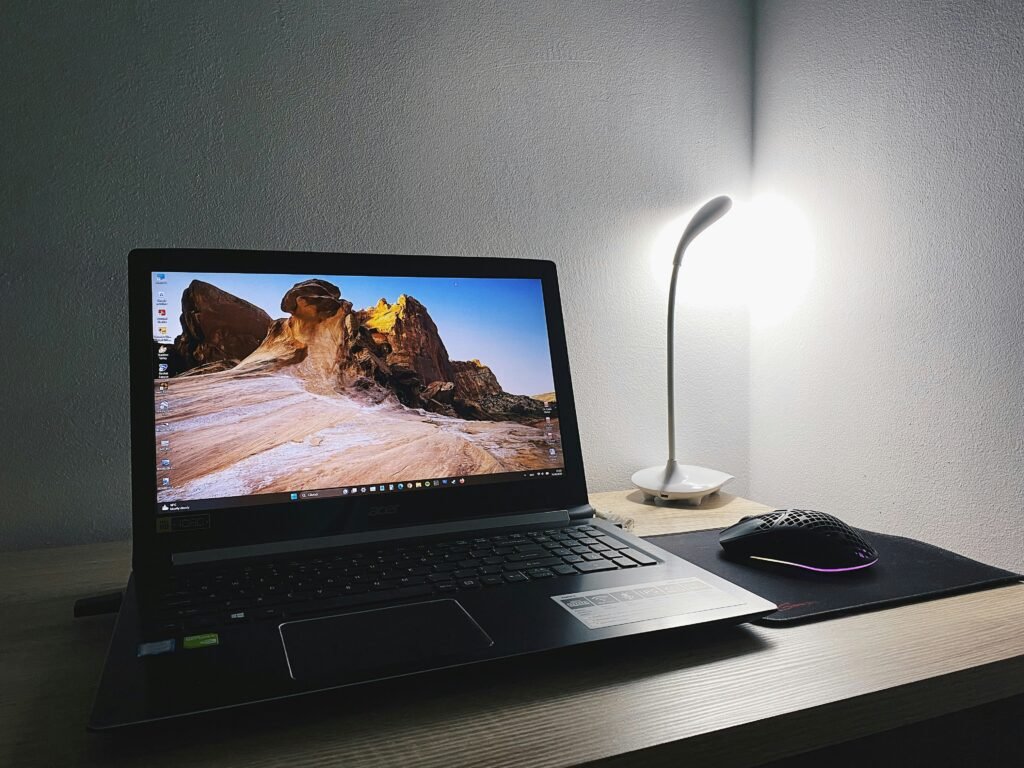
Why Are LED Desk Lamps So Popular?
LED desk lamps changed how we light up our study or workspace. They are energy-efficient, bright, and designed for modern living.
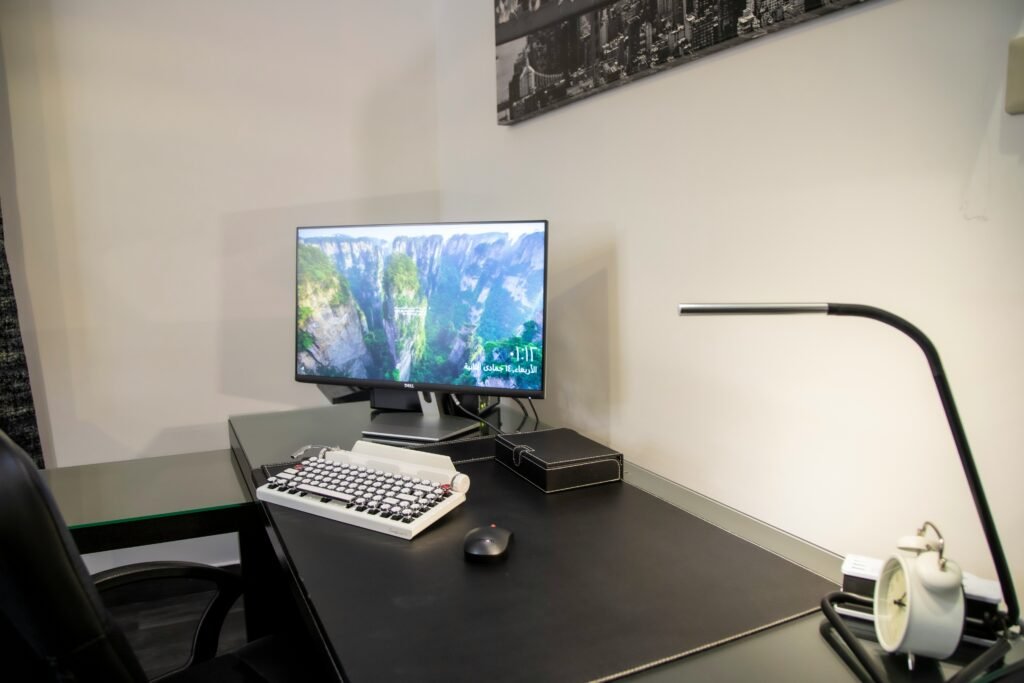
Key Advantages:
- Energy Saving: LEDs consume up to 80% less power than the standard bulb.
- Long Lifespan: A single LED can last over 25,000 hours — no need to change bulbs often.
- Low Heat: Stays cold even after heavy usage.
- Adjustable Lighting: All the major models let you toggle brightness and color temperature (warm or cool).
- Eco-Friendly: No mercury or breakage; friendly to the environment.
In short, LED lamps are perfect for long study sessions, intense work, and energy savings.
Minor Drawbacks:
- Slightly more expensive initially.
- Cheap LEDs may flicker or produce unpleasant lighting.
Real Life Example: LEDs with tone-adjustable lamps are widely used by most students these days — warm light for relaxed reading, cool white for focus. It is this adaptability that makes LEDs unbeatable.
The Charm of Antique Lamps
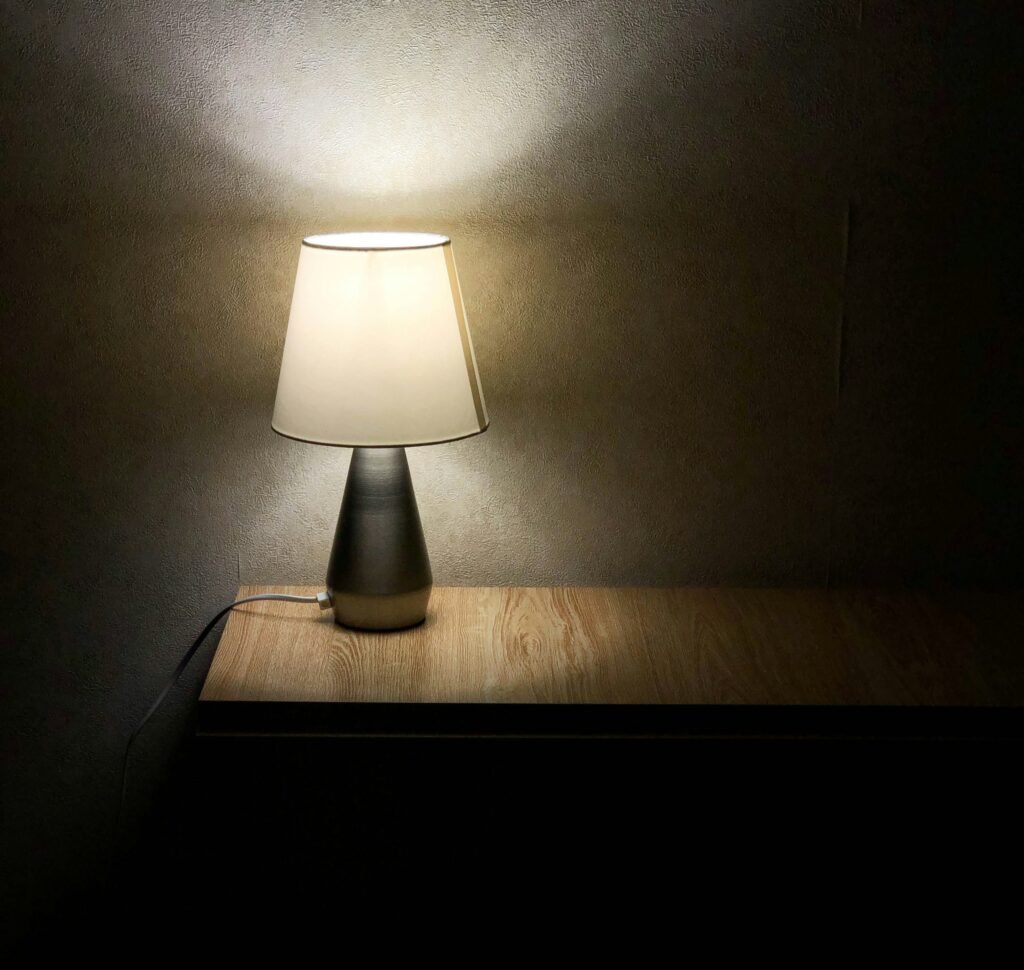
Antique lamps use incandescent or halogen bulbs, renowned for their soft, warm glow.
They have been around for decades and continue to add a touch of vintage to any desk or bedroom.
What People Like:
- Warm, natural light color.
- Easy to use — plug it in and go.
- Less expensive to purchase initially.
Drawbacks:
- Use more electricity and produce more heat.
- Short life (approximately 1,000 hours).
- Not eco-friendly.
If you prefer a warm, cozy mood or only use a lamp infrequently, an old-fashioned one is still a good choice.
LED vs Traditional: Side-by-Side Comparison
Feature | LED Desk Lamp | Traditional Lamp |
Energy Efficiency | Very high | Low |
Brightness Control | Adjustable | Fixed |
Heat Output | Low | High |
Lifespan | 25,000+ hours | 1,000 hours |
Eco-Friendly | Yes | No |
Price (Long-Term Value) | Better in the long run | Cheaper initially |
Which One to Choose?
If most of your time is spent reading, studying, or working —
Choose an LED desk lamp.
It’s reliable, it’s bright, and it saves your eyes for those long hours.
But if you hardly ever switch the lamp on for atmosphere or decor,
a warm or antique bulb lamp will provide that snug, old-fashioned feeling.
In short:
- For daily productivity → LED desk lamp.
- For mood or decoration → Vintage lamp.
Eco & Cost Benefits
LED lamps not only relax your eyes — they relax your wallet and the planet as well.
By switching to LEDs, you save on electricity bills, emit less heat, and minimize wastage.
In the long term, a quality LED lamp pays for itself in no time.
LED desk lamps clearly take the lead — they’re energy efficient, they last long, and are adaptable enough to suit any environment.
So when you give your workspace an upgrade, don’t simply pick a lamp —
Pick a light that’s smart, sustainable, and built around your lifestyle.
FAQs
Q1: Is the LED desk lamp better for the eyes?
Yes. LED lighting is flicker-free and provides stable light that reduces eye strain.
Q2: Are traditional lamps more costly to use?
Yes. They use more power and generate extra heat, resulting in higher power bills.
Q3:What color light is best when studying?
Cool white or 4000K–5000K light generally works best. It keeps the eyes refreshed, helps with concentration, and helps with focus. Many people find that studying in this type of light is much more comfortable.