
What is Task Lighting & Why It Matters in Home Office
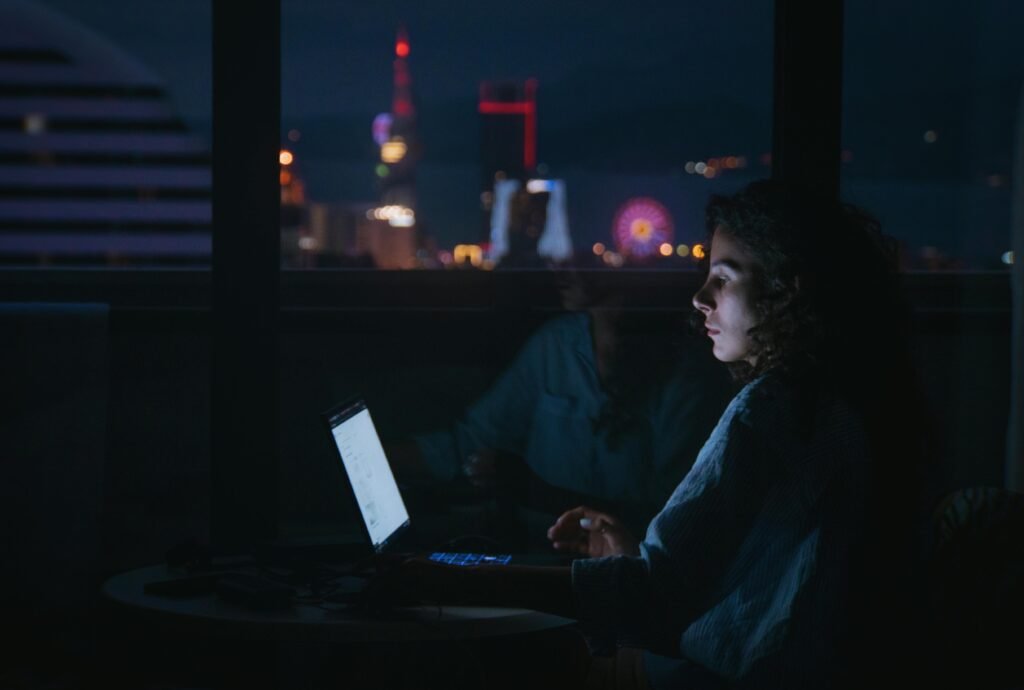
In today’s digital age, as much as we might resent it, we already spend most of our day in front of a computer screen. In an office or workroom at home, the desk and laptop have become our permanent friends. Have you ever considered how annoying it can be when the lighting in your workroom is unsuitable? It will give your head a spin, bother your eyes, and even make you distracted.
Actually, we generally feel that ceiling lighting is enough. But in reality, that light does not always work the way it should. Somewhere down the line, you realize that you need something more focused than ceiling lights. That’s where task lighting comes in. Simply put, it not only illuminates your work area but also reduces eye strain, helps you relax, and increases your productivity. Installed correctly, lighting makes working much more comfortable and enjoyable.
Understanding Task Lighting
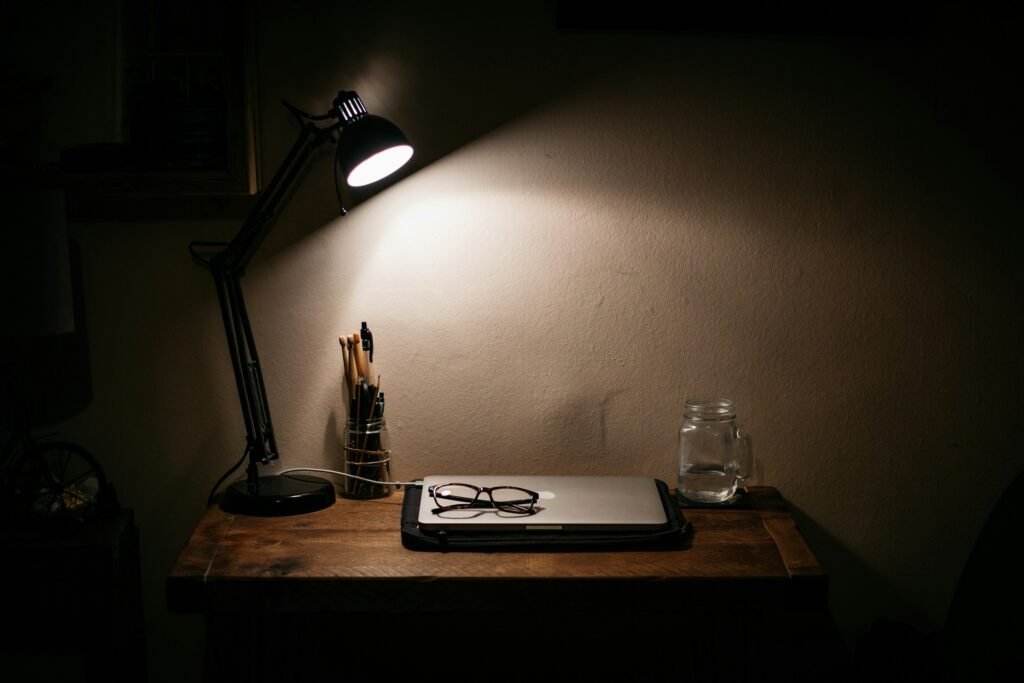
Honestly, when we work, say writing reports, reading, or designing, etc., proper light is what we need the most. Generally, the ceiling light (ambient lighting) illuminates the entire room evenly. Think about it, did you ever notice? Working solely with the ceiling light puts pressure on your eyes, forms small shadows, and diverts your attention.
Simply put, Task Lighting speaks for itself in its name—it’s a light that shines directly into your work area. For example, an adjustable position desk lamp on the workbench, or a light bar strip LED under the cabinet. Not only do they light up, but also reduce eye strain and greatly improve readability of work.
Think you’re working in your home office and hammering away at your laptop writing up a report. The ceiling light is fine, but there’s that bit of glare on the screen or shadow on the notebook that’s disrupting your concentration. That’s when the concentrated light of task lighting can smooth your work considerably.
Some typical types of task lighting
- Desk Lamps: Small lamps that can be placed on a desk, and which can be swiveled or rotated in a bid to point the light they emit.
- Floor Lamps: Can be placed in a corner of the room, where the light can be pointed towards the desk.
- Clip-on Lamps: Can be placed on the shelf or border of the desk, and are effective in tight spaces.
- Under-cabinet LED Lights: Generally placed below a shelf or cabinet, ideal for lighting up small areas of the work area or kitchen.
Light Positioning Tips
-You do not only need to buy task light, you also must put it in the right place.
-Do not allow the light to direct into your eyes.
-Adjust the angle so that it reduces glare.
-Try to shed even and clean light in the working place.
Benefits of Task Lighting

I think the lighting in our office is not just for the sake of visibility—it does affect our eyes, focus, and even work speed. Let us observe what benefits you can attain from task lighting:
- Reduces eye strain
When you are looking at a computer monitor or notebook for quite a while, your eyes feel heavy, sore, or even painful. This is worse if there is no adequate light. Task lighting directly lights the work area with sufficient light, hence less eye strain. A good example is an adjustable desk lamp that can easily illuminate your notebook or monitor.
- Improves concentration and rate of work
Believe me, when the work environment is adequately lit, the mind can naturally remain alert better. The minor distractions that arise in a dark or dimly lit area are greatly reduced. Studies have even shown that users of task lighting can remain alert better than others, and their output increases.
- Improves mood and energy level
Light does not only affect the eyes but also our mood. Cool white light during the morning makes us fresh and alert, and warm yellow light during the evening effortlessly creates a peaceful ambiance. If you can choose the light depending on the nature and working hour, your attitude and energy level can change drastically.
- Maintains Posture and Comfort
When you are working in low light, everyone usually leans forward or glances sideways at the screen. This is very likely to cause neck pain or back pain. Honestly speaking, if there is ample task lighting, you may sit comfortably and work. This keeps the posture in the proper position and reduces discomfort in the body.
Selecting the proper task lighting
Choosing the right task lighting is not just about lighting—it affects the mood, focus, and productivity of your home office. So there are a few things to keep in mind when choosing your lighting.
- Luminosity (Lumens) and Colour Temperature (Kelvin)
Brightness of the light is related to lumens. 450–800 lumens is sufficient for general work at the desk.
- Cool white (4000–5000K) → Ideal for writing reports, data input, or wherever you require focus.
- Warm white (2700–3000K) → Best for creative work, studies, or night.
Briefly, cool light is best for daytime work, and warm light is best for a warm ambiance or creative work.
- Which one do you prefer: LED, Incandescent, or Fluorescent?
- LED → Most popular, energy-efficient, long-lasting, brightness and colour temperature can be adjusted.
- Incandescent → Gives soft light, but needs more electricity.
- Fluorescent → Although very strong, sometimes the light can be too much and cause glare or flicker and therefore tire the eyes.
LED is currently the most intelligent and professional option.
- Adjustable and Flexible Design
Good task lighting has a lamp that you can tilt or turn. With the head that can be rotated, the adjustable arm, and the dimmer switch, it is easy to position the light according to the task. This reduces glare, and the light will always be in its appropriate position.
- Placement on the Desk and Rules for Reducing Glare
- Place the lamp in a way that the light will not shine directly into the eyes.
- The light should be from the top of the laptop or screen and not from the side.
- Mixing with natural light relaxes the light more.
- This reduces glare and reduces eye stress.
- Budget or Premium—What should you get?
- Budget: A simple LED desk lamp is great for someone who wants a fantastic solution without paying a lot.
- Upgrade: Smart desk lamp is also available, which has brightness, color temperature, and all controlled via a mobile app or touch control.
Maximizing Your Home Office Lighting
Work does not happen with adequate task lighting, but light has to be utilized thoughtfully to make the whole home office comfortable and productive. With some basic tips, your lighting arrangement will become more balanced and efficient.
- Use Natural Light + Task Lighting together
Daylight (natural light) is always the best. It is gentle on the eyes, and it even rejuvenates the room. But you cannot rely on daylight entirely. So, use task lighting when daylight is weak, or where focused attention is needed.
- Avoid Shadow and Reflection
Lamps in a different location give shadows on the hand or produce glare on the screen. This is tiring for the eyes. So place the lamp such that light falls on the work surface but does not produce glare or shadows. If necessary, utilize an anti-glare screen.
- Minimalistic and Clutter-free Setup
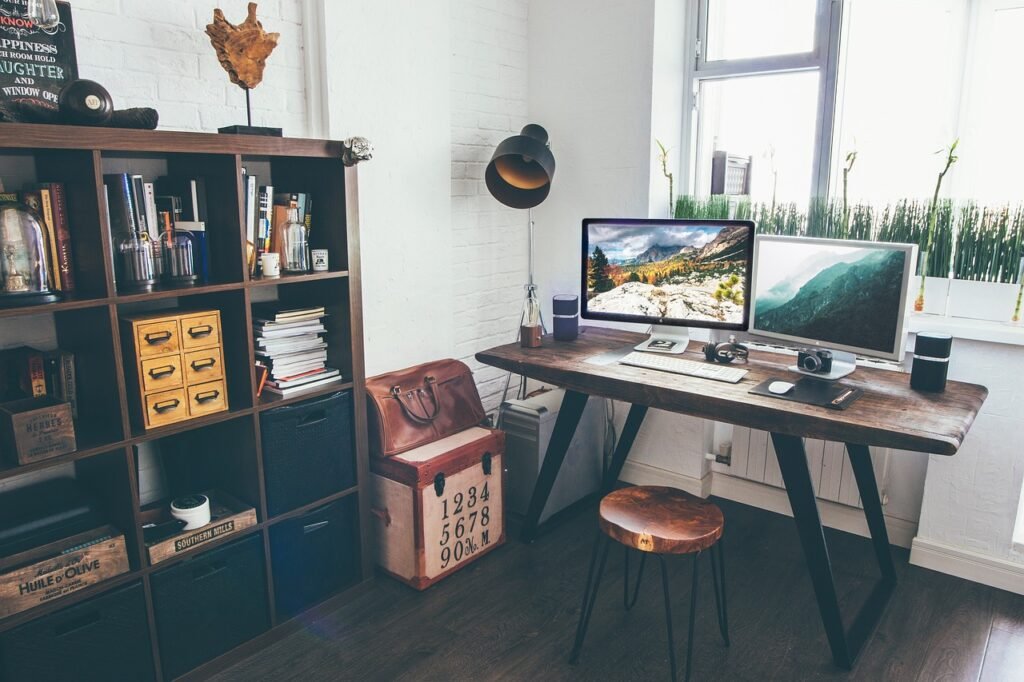
If your desk is messy, the light can’t spread out. So arrange everything in its place – monitor, keyboard, lamp. Not only will the light work better, but your space will also be quiet and comfortable.
- Implement the Light Layering Concept
A task light is insufficient for a space. Light layering comes in handy here:
- Ambient lighting → illuminates the entire room.
- Task lighting → provides focused light on the work area.
- Accent lighting → provides ornamentation or beauty.
All three will collectively make your home office balanced and beautiful.
- Consider Ergonomics and Comfort
The right light is not only a question of illumination, but also eye comfort. Adjustable lamp, having the lamp at the right angle, and ergonomic desk arrangement are all good for your long-term well-being. This will largely avoid eye strain, backache, or neck stress.
Conclusion
Layering on task lighting in your home office is a small change, but the impact is gigantic. Simply put, it not only reduces eye strain but also improves your concentration, productivity, and overall mood.
Just keep in mind, it’s the choosing, positioning, and balancing the right lighting that can make work more efficient and less tiring for you. So why not implement task lighting in your work environment today—and see how one unit of light can brighten up and enhance your day?